Introduction
Color is greater than just an aesthetic stimulation; it lugs emotional weight that can affect sensations, habits, and perceptions. Think of it-- when you see an intense yellow sun, don't you feel an instant uplift in your state of mind? Or when surrounded by relaxing blue tones, aren't you covered in tranquility? The psychology of color is an interesting area that explores just how various colors can inspire and boost our spirits.
In this write-up, we will certainly delve deep right into the psychology of color, checking out just how specific shades stimulate feelings and exactly how we can utilize this understanding to produce settings that promote positivity and wellness. Let's explore the nuances of color theory, its effects in different areas, and practical applications to enhance our lives via thoughtful shade choices.
The Psychology of Shade: Choosing Shades That Inspire and Uplift
The psychology of shade recommends that our emotional reactions to different colors are not arbitrary but rather rooted in social organizations, individual experiences, and also biological instincts. For instance, red is commonly connected with passion and necessity, while environment-friendly stimulates feelings of nature and development. Comprehending these organizations allows us to pick colors deliberately for various settings-- be it home design, branding, or fashion.
Understanding Color Associations
Different societies have one-of-a-kind analyses of color.
Cultural Relevance of Colors
- Red: In many Western cultures, red represents love or threat; in China, it suggests luck. Blue: Generally seen as soothing; nonetheless, some Eastern cultures connect it with mourning. Yellow: Frequently related to joy in Western societies yet can represent care or cowardice elsewhere.
By recognizing these social variations, we can make enlightened choices when selecting colors for cross-cultural interactions or designs.
The Psychological Impact of Colors
Colors tap into our subconscious minds. Here's how:
Warm Colors vs. Awesome Colors
- Warm Colors (reds, oranges yellows): These shades often stimulate solid emotions such as exhilaration or anger. They are attention-grabbing yet can likewise produce feelings of aggression if overused. Cool Colors (blues, environment-friendlies): Typically advertise calmness and relaxation yet might cause feelings of despair if used exceedingly without contrast.
Color Mixes That Work
Choosing complementary shades can enhance the preferred psychological impact.
Complementary Color Schemes
|Shade 1|Color 2|Psychological Feedback|| ---------|---------|--------------------|| Blue|Orange|Balance & & Harmony|| Green|Red|Vigor & & Power|| Yellow|Purple|Creativity & & Inspiration|
By understanding these relationships, one can develop aesthetically enticing rooms that resonate favorably with people.
Psychological Results of Particular Colors
Let's dive deeper into specific shades:
Red: The Color of Passion
Red is stimulating; it increases heart rates and creates enjoyment. It's best for environments where power is required-- think fitness centers or creative studios.
Blue: The Calmness Inducer
Blue minimizes stress and anxiety degrees; for this reason it's ideal for bed rooms or workplaces where concentration is key. It promotes efficiency by offering a calm backdrop.
Green: Nature's Touch
Green stands for balance and consistency. It brings the significance of nature inside-- wonderful for living spaces looking for peace amidst chaos.
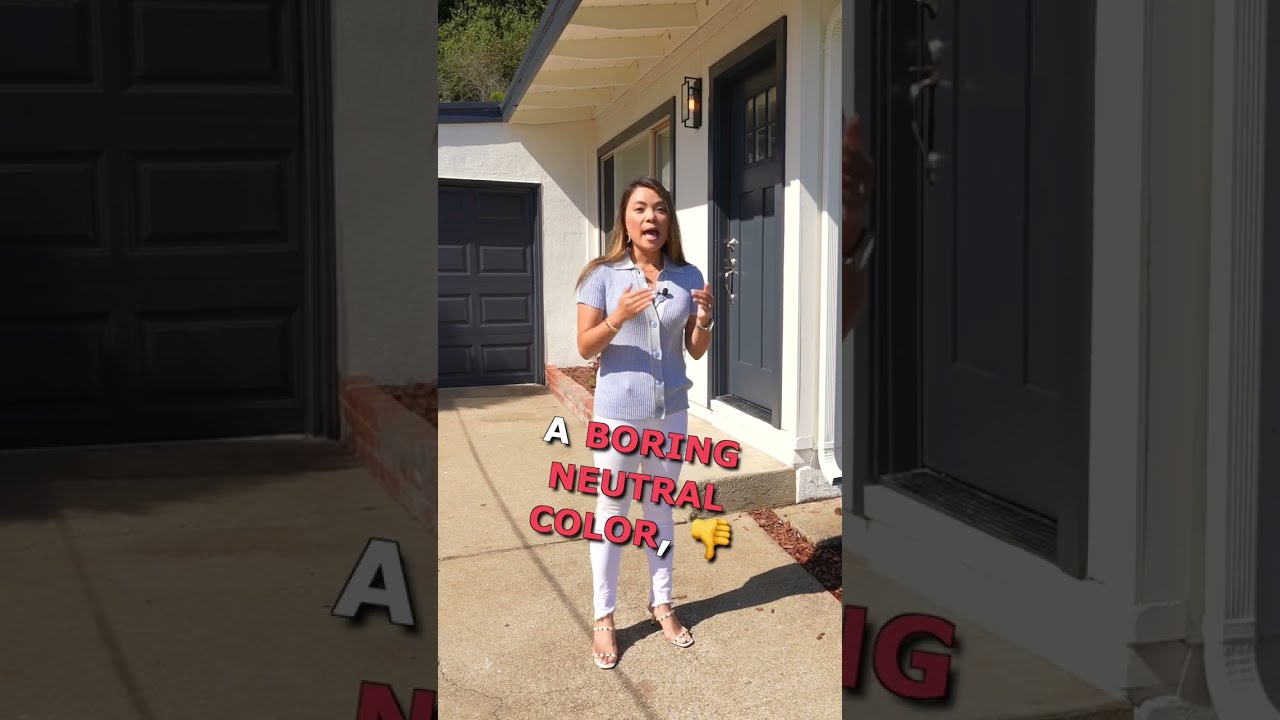
Yellow: The Cheerful Shade
Associated with positive outlook and happiness, yellow can illuminate any type of space. Nevertheless, excessive yellow may bring about stress and anxiety-- so small amounts is crucial!
Factors Influencing Color Perception
Our understanding of color isn't only based on color however influenced by numerous elements:
Lighting Conditions
Natural light versus artificial light significantly impacts exactly how we perceive color. For instance, under fluorescent lights, shades could appear harsher than intended.
Surrounding Colors
Adjacent colors affect exactly how we perceive a particular shade as a result of comparison results-- a phenomenon called simultaneous comparison illusion.
Practical Applications in Numerous Fields
Understanding the psychology behind shades enables us to apply this expertise throughout numerous areas efficiently:
Interior Design Choices
In homes or work environments:
- Use trendy shades in relaxation areas. Warm tones can energize offices or playrooms.
Branding Strategies
Brands make use of colors tactically:
- Blue imparts trust (think banks). Red promotes urgency (think clearance sales).
Color Treatment: Recovering Through Hues
Color therapy leverages psychological concepts to advertise recovery:
- Yellow encourages psychological clarity. Green aids emotional balance.
Research shows direct exposure to certain https://www.facebook.com/BlackRhinoPainting/ shades enhances mood disorders' treatment efficacy.
Personalizing Your Area with Color
Choosing tones that influence need to be personal:
Identify what feelings you wish to evoke. Experiment with examples prior to dedicating fully. Observe your responses to different mixes regularly!FAQs Concerning The Psychology of Color
1. Just how does color affect mood?
Colors activate emotional feedbacks based upon cultural undertones and individual experiences. As an example, red promotes energy while blue promotes calmness.
2. Can I utilize strong colors in little spaces?
Absolutely! Vibrant accents can produce prime focus without frustrating a little area when well balanced properly with neutral tones.
3. What are some ideas for choosing paint colors?
Take into consideration lights problems; test swatches on wall surfaces; think about the atmosphere you wish to create prior to deciding!
4. Exactly how do brand names choose their colors?
Brands select colors based on target market emotions they desire to conjure up-- red for exhilaration or blue for trustworthiness prevail choices.
5. Can I transform my state of mind by transforming my environment's shade scheme?
Yes! By consciously selecting uplifting tones like yellows or soft blues in your room, you can dramatically impact your general mood!
6. Is there clinical evidence supporting the impacts of shade on behavior?
Yes! Studies have actually shown relationships between details colors and human habits patterns-- highlighting their relevance in style choices throughout numerous fields.
Conclusion
In summary, the psychology of shade plays an obvious role fit our atmospheres and influencing our emotions daily. By understanding which hues inspire positivity and uplift spirits-- whether with thoughtful interior design options or willful branding approaches-- we encourage ourselves to craft spaces that reverberate harmoniously with our internal selves.
So next time you're faced with a choice concerning color-- be it for your home design or brand identification-- keep in mind these understandings! Select wisely since those dynamic tones around you have the possible not simply to improve however likewise dramatically improve your total well-being.
Here's wishing you find motivation within these colorful understandings! Embrace the psychology behind shades that raise your spirits while developing an inviting atmosphere any place you go!